How to Choose a Barcelona City Tour That Fits Your Visit
Picking a barcelona city tour is less about finding the biggest sightseeing list and more about matching the day to your pace, interests and practical limits. Barcelona is dense, lively and easy to get around, but it can still feel scattered if you try to cover too much in one outing. A good choice starts with a clear idea of what you want from the city, then narrows down by route, timing, transport, language and level of structure.
Start with the kind of day you want
Before comparing any specific barcelona city tour, decide whether you want an overview or a deeper look at a few places. An overview suits a first visit, especially if you want to recognise the main districts and return later to the parts that interest you most. A deeper option works better if you already know you care about architecture, food, history, design, beaches or neighbourhood life.
Think about energy as well as interest. A walking route may sound simple, but Barcelona streets, slopes, heat and crowded pavements can make a long day tiring. If you prefer fewer steps, look for a route that uses public transport or a vehicle between areas. If you enjoy wandering, leave room for pauses in plazas, cafes and shaded side streets rather than filling every minute.
It also helps to decide how social you want the day to be. Some visitors like a group atmosphere and a set route. Others prefer a quieter format where they can stop longer, ask questions or change direction. Neither is automatically better. The right choice depends on whether you want company and structure or space and flexibility.
Choose the areas that matter to you
Barcelona has several distinct faces, and a tour name may hide what is actually included. Read the route carefully and look at the places, streets and districts named, not just the headline. If the old city is your priority, check whether the route includes the Gothic Quarter, El Born or the waterfront. If modern architecture matters, see how much time is given to Eixample, Gaudi buildings or specific facades. If views are important, look for a stop that offers a broad panorama rather than a brief mention of a viewpoint.
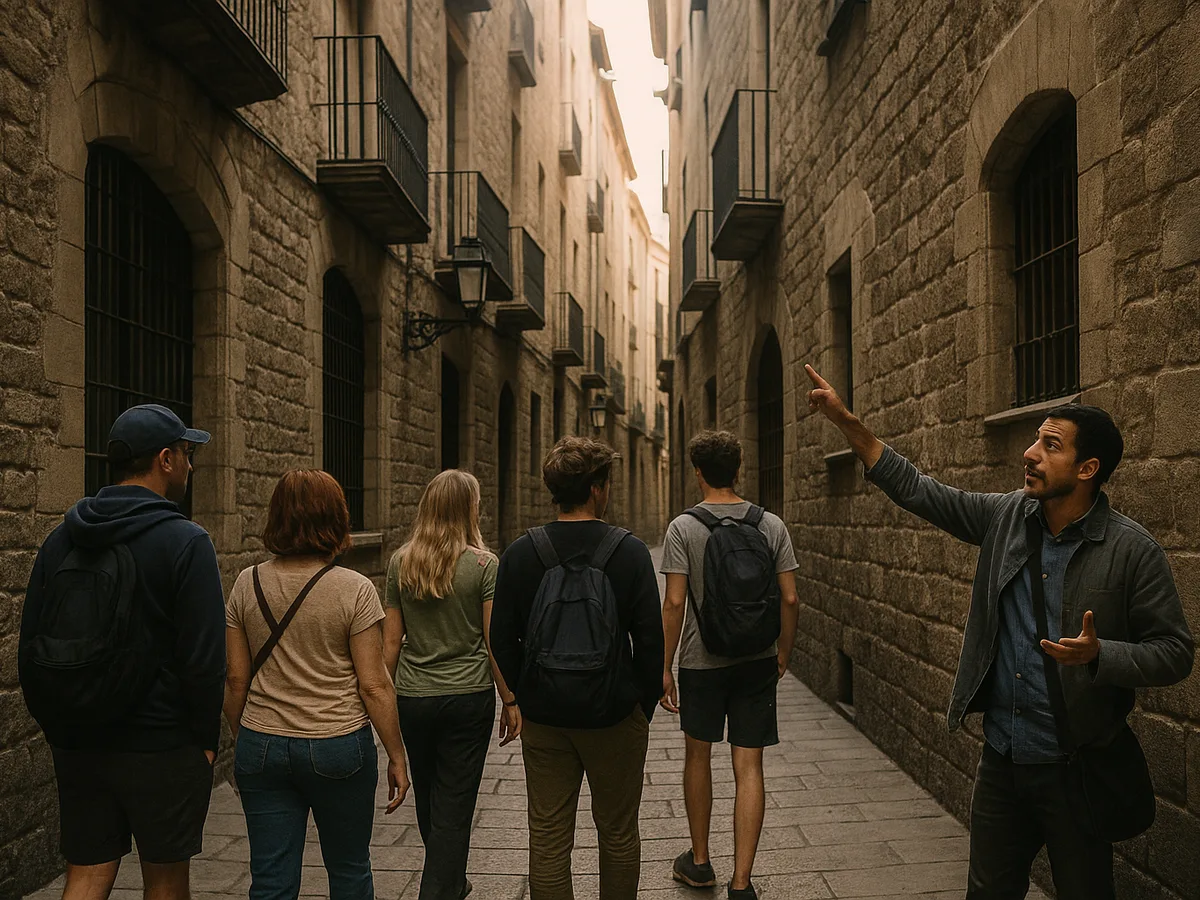
Watch for the difference between seeing a landmark from outside and going inside. A route can pass a famous building without including admission or entry time. That can be perfectly fine if your goal is orientation, but disappointing if you expected a full visit. Check whether interiors, tickets, timed entry or interior guides are included or described as optional.
Another practical point is distance between stops. A route that lists many neighbourhoods may spend much of the day moving between them. That is not a problem if transport is part of the experience, but it matters if the format is walking. Look at where the day starts and finishes too. A tour that ends near your accommodation, a metro station or your next plan saves time and reduces stress.
If you want a balanced first look, compare a few options and note which one gives enough time in each area. A route with fewer stops can be more useful than one that rushes through the city. For a reference point, City Tour in Barcelona can be considered as one name you may come across while comparing choices, but the route details should still do the deciding.
Check the format and how the day runs
Once the route fits, look at the format. A barcelona city tour might be mainly on foot, use public transport, combine walking with a bus, or focus on a themed route. Each format has a different rhythm. Walking gives close detail and time in small streets. Vehicle based options cover more ground and reduce physical effort, though they can feel less personal. Public transport based routes are often flexible, but they require comfort with tickets, changes and local signs.
Check the language of the commentary or guide. If you want to learn the background behind the buildings and neighbourhoods, a language you understand makes a real difference. If the main aim is simply to see places, language may matter less. Also look at group size if that information is shown. A smaller group can make it easier to ask questions, while a larger one may move with a firmer schedule.
Timing deserves close attention. Morning light suits photographs and popular streets are usually calmer earlier. Afternoon tours may fit better around arrival days, but heat and crowds can affect comfort. Evening options show a different side of the city, though some interiors may not be available. Compare the start time with your flight, train, check in time and meal plans. A tight arrival window can turn a good route into a rushed one.
Duration is another filter. A short introduction can be useful when time is limited, while a full day allows more context and breaks. Be honest about how long you normally enjoy structured sightseeing. It is better to choose a shorter route and explore independently afterwards than to commit to a packed day that loses your attention halfway through.

Read the details before you decide
The small print often decides whether a tour feels smooth or awkward. Check what is included, what is not included and what you are expected to bring. Comfortable shoes matter for most city routes. Water, sun protection and a light layer can help in changing weather. If the route includes indoor sites, check any entry rules or bag requirements that may apply.
Accessibility is worth reviewing if you need step free movement, regular seating or a slower pace. Look for clear information about stairs, uneven streets, transport stops and rest points. If the details are vague, ask before booking rather than hoping on the day. A route that looks short on a map may still involve cobbles, kerbs and busy crossings.
Food stops can add character, but they also change the shape of the day. Check whether tastings are part of the route, whether dietary needs can be handled, and whether meals are included or separate. If you are comparing several options, keep the focus on the overall experience rather than the number of stops. City Tour in Barcelona official site may appear among your research points, but it should sit alongside a careful read of the itinerary, timing and meeting details.
Cancellation and change rules also matter, especially when travel plans are not fixed. Look for clear terms on changes, late arrivals and missed entry times. A flexible option can be more useful than a slightly different route if your schedule may shift. Keep confirmation messages and meeting details together so you are not searching at the last minute.
Match the tour to your reasons for visiting
Different trips call for different choices. A weekend visit may benefit from a broad introduction early on, followed by free time to revisit favourite areas. A family trip may need shorter stretches, clear meeting points and time for breaks. A solo visit may favour a social format, while a return visit may be better with a focused theme that goes beyond the usual landmarks.
Use the following questions to narrow the shortlist:
- Which districts or landmarks would disappoint you most if they were missing?
- Do you want entry into buildings or mainly outside views and commentary?
- How much walking is realistic for your group in one day?
- Does the start time and finish point fit the rest of your plan?
- Would you rather have a fixed route or more freedom to explore?
After that, compare only the options that pass those basics. This avoids getting pulled toward a tour simply because it sounds comprehensive. A focused barcelona city tour that suits your pace will usually be more rewarding than a crowded schedule that covers everything at speed.
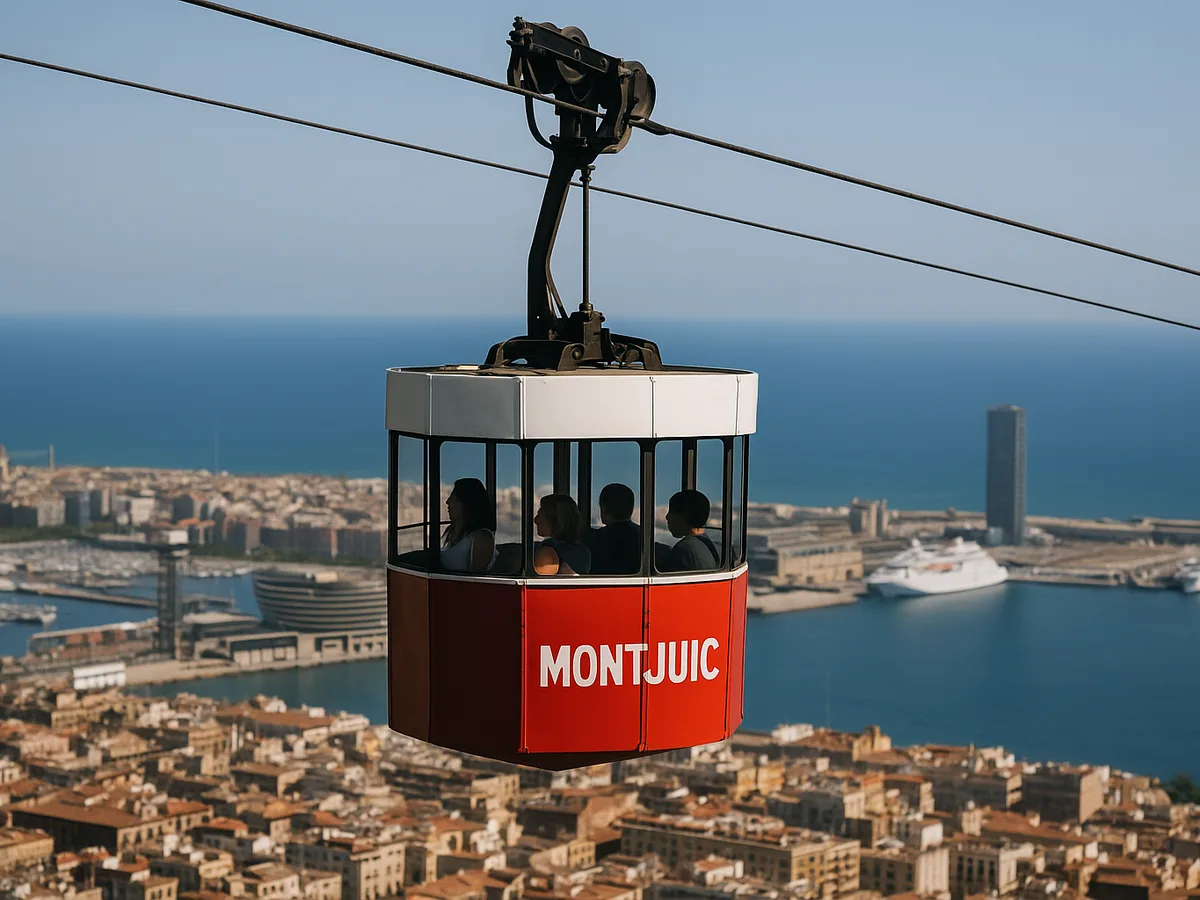
Make the final choice with the day in mind
The last step is to picture the actual day, from leaving your accommodation to the final stop. Check the meeting point, travel time to it and what happens if you arrive a little early. Look at where the route ends and how you will get back or continue. If there is a break, see whether it is long enough to eat, use facilities and rest without feeling rushed.
Weather can shape the decision too. In hot months, a route with shade, indoor stops or a midday break may be more comfortable. In cooler or wetter weather, long exposed stretches can feel less appealing. Since conditions can change, a route with a sensible balance of indoor and outdoor moments is often easier to enjoy.
Finally, keep one flexible slot in your plans. Barcelona rewards unplanned pauses, whether that means sitting in a square, stepping into a small museum or following a street that catches your eye. A well chosen barcelona city tour gives you orientation and context, but it does not need to account for every hour. When the route, pace, language, timing and practical details line up, the day feels easier from the first stop to the last. City Tour in Barcelona official site can be one reference while you compare, with the final call based on what makes the city accessible and enjoyable for your own visit.